Onboarding (macOS App)
Onboarding (macOS App)
This doc describes the current first‑run onboarding flow. The goal is a smooth “day 0” experience: pick where the Gateway runs, connect auth, run the wizard, and let the agent bootstrap itself. For a general overview of onboarding paths, see Onboarding Overview.
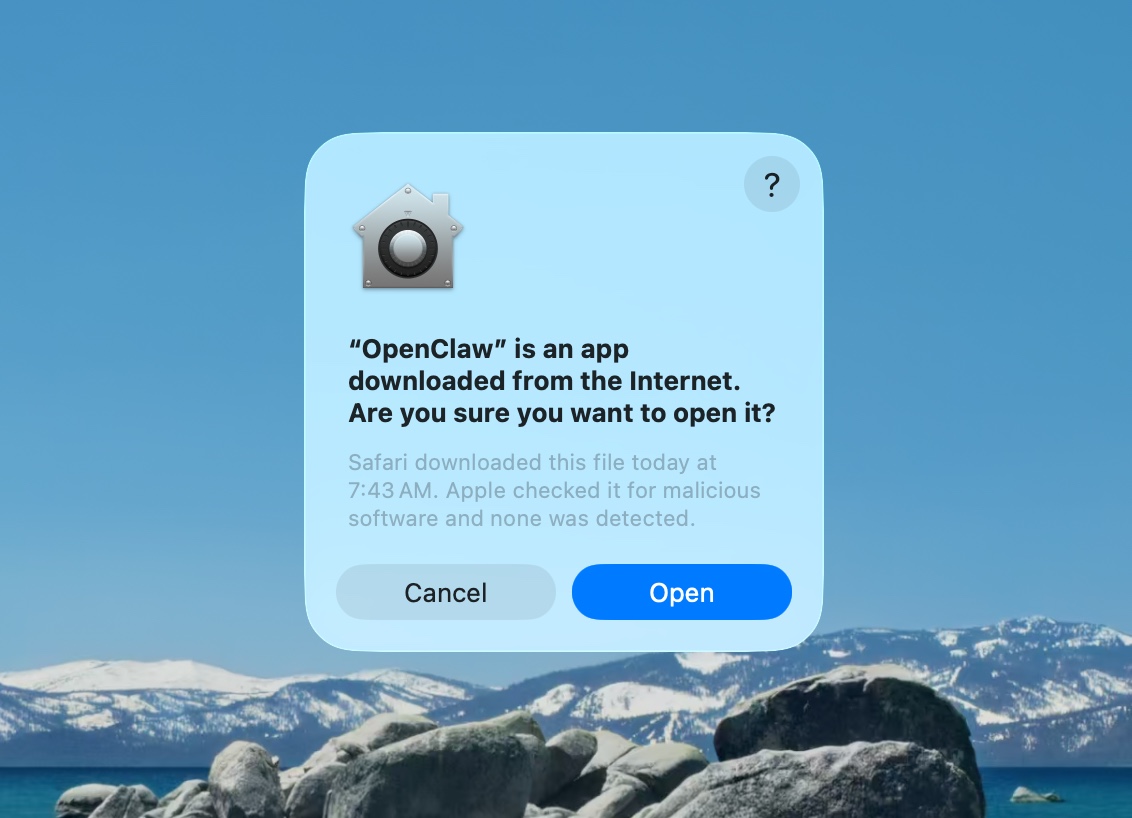
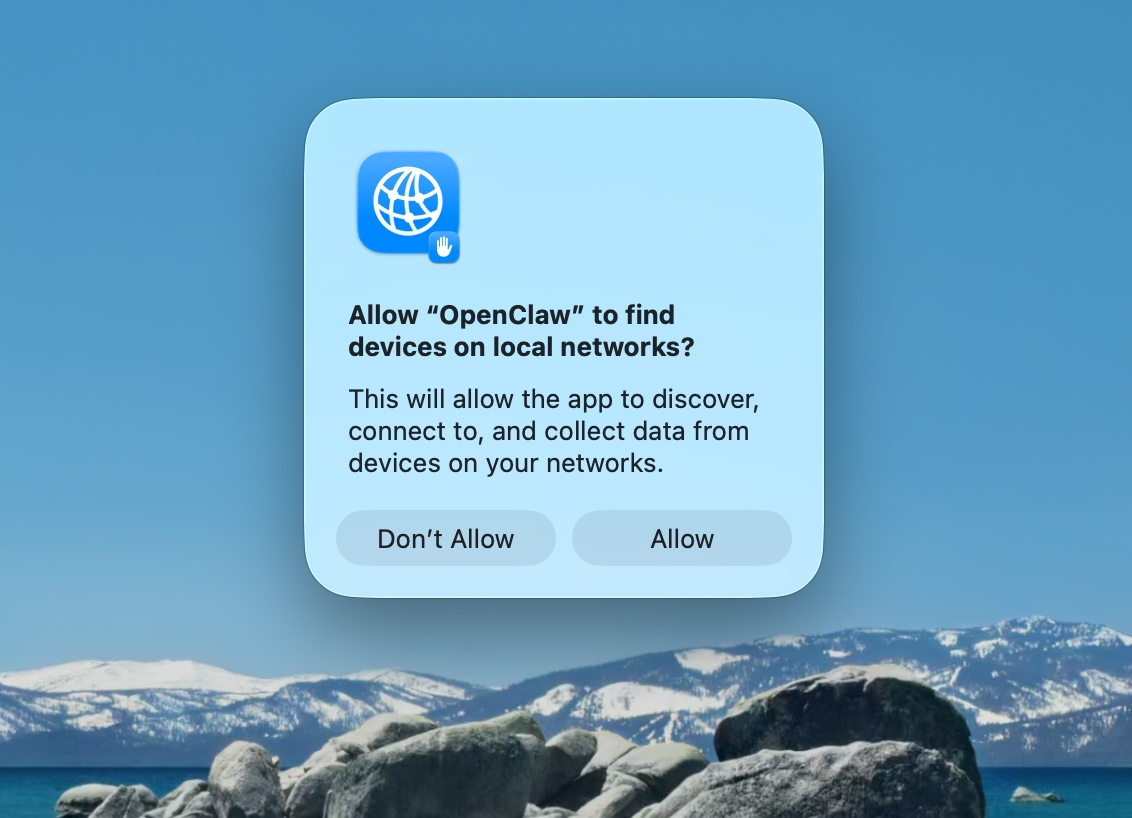
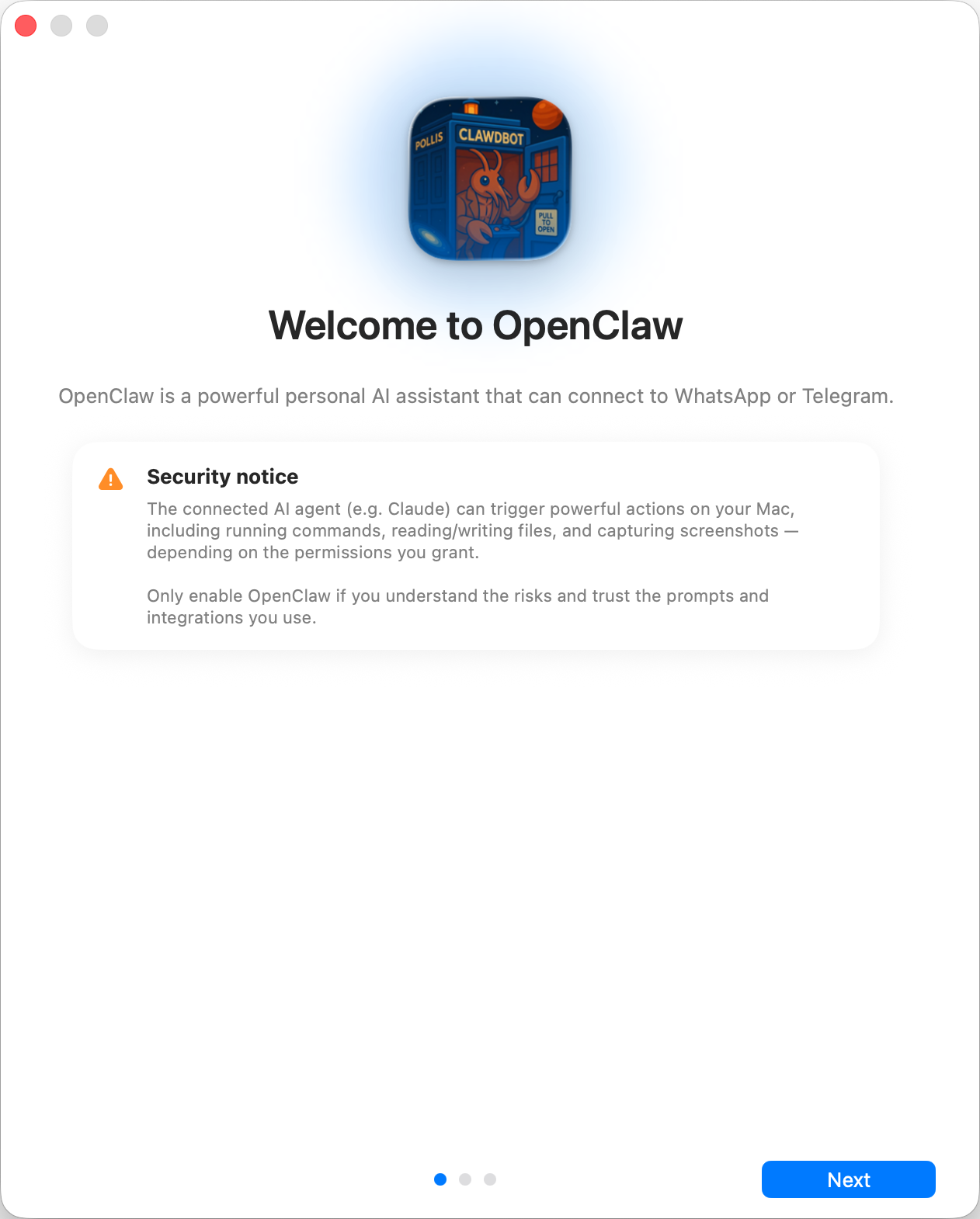
Security trust model:
- By default, OpenClaw is a personal agent: one trusted operator boundary.
- Shared/multi-user setups require lock-down (split trust boundaries, keep tool access minimal, and follow Security).
- Local onboarding now defaults new configs to
tools.profile: "coding"so fresh local setups keep filesystem/runtime tools without forcing the unrestrictedfullprofile. - If hooks/webhooks or other untrusted content feeds are enabled, use a strong modern model tier and keep strict tool policy/sandboxing.
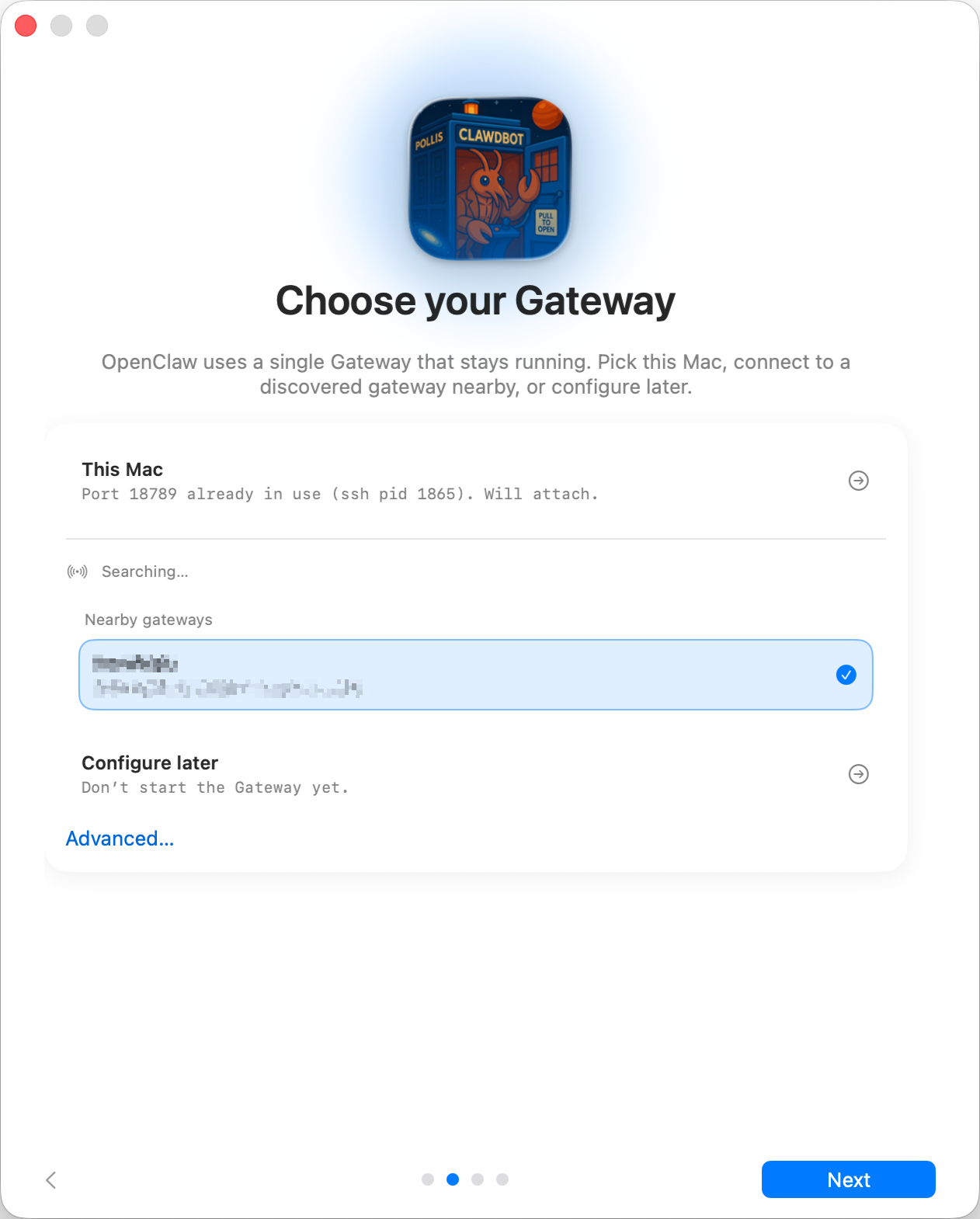
Where does the Gateway run?
- This Mac (Local only): onboarding can configure auth and write credentials locally.
- Remote (over SSH/Tailnet): onboarding does not configure local auth; credentials must exist on the gateway host.
- Configure later: skip setup and leave the app unconfigured.
- The wizard now generates a token even for loopback, so local WS clients must authenticate.
- If you disable auth, any local process can connect; use that only on fully trusted machines.
- Use a token for multi‑machine access or non‑loopback binds.
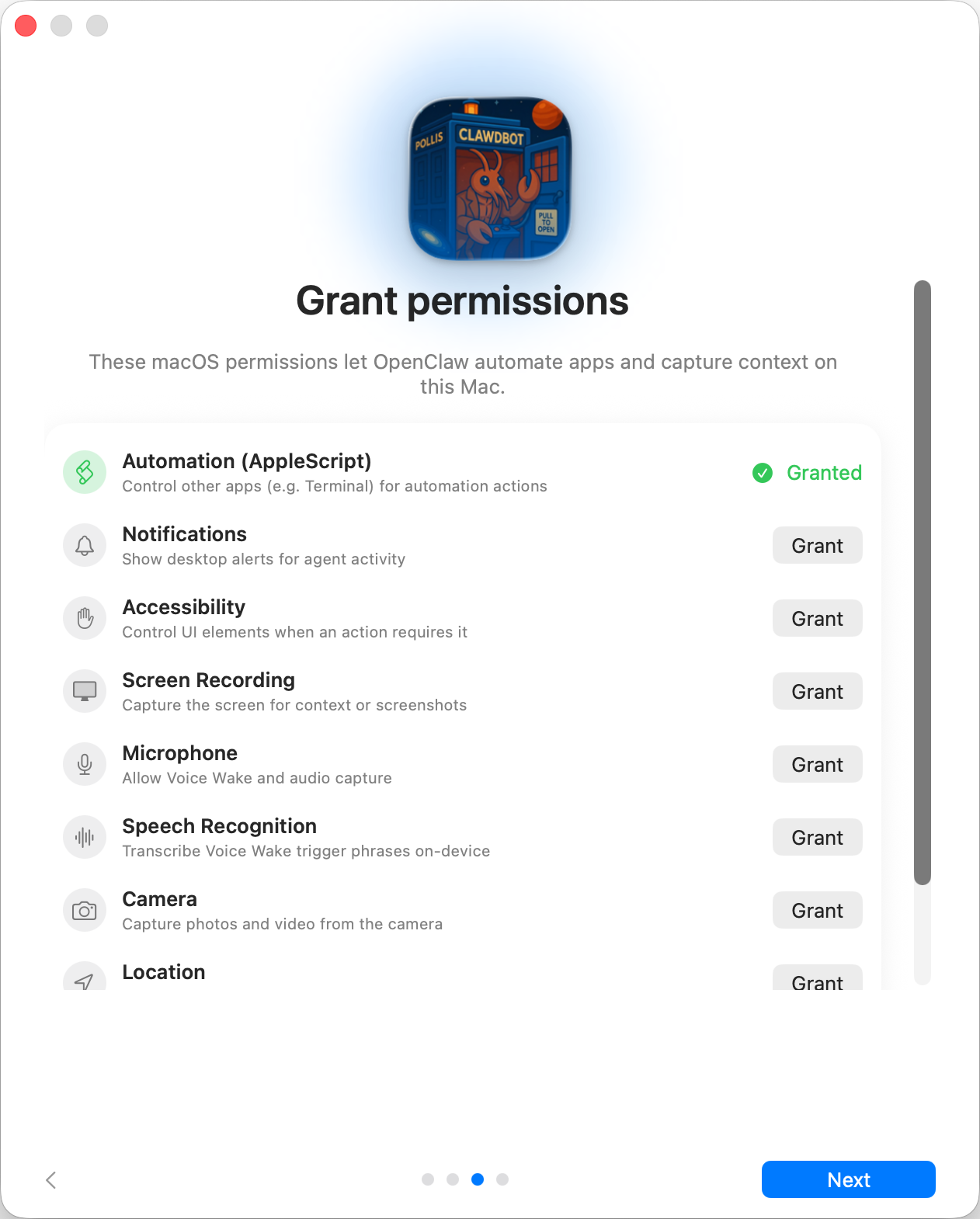
Onboarding requests TCC permissions needed for:
- Automation (AppleScript)
- Notifications
- Accessibility
- Screen Recording
- Microphone
- Speech Recognition
- Camera
- Location
文档内容基于 OpenClaw 官方文档(MIT License)